Global Shipping and Logistics Operator
One of the largest logistics operators moving vehicles and heavy equipment by sea ran on paper and spreadsheets. Its terminals and processing centers spoke different languages. We gave them one.- Research & Product Strategy
- Product Design & Build
- Embedded Teams & Staffing
Overview
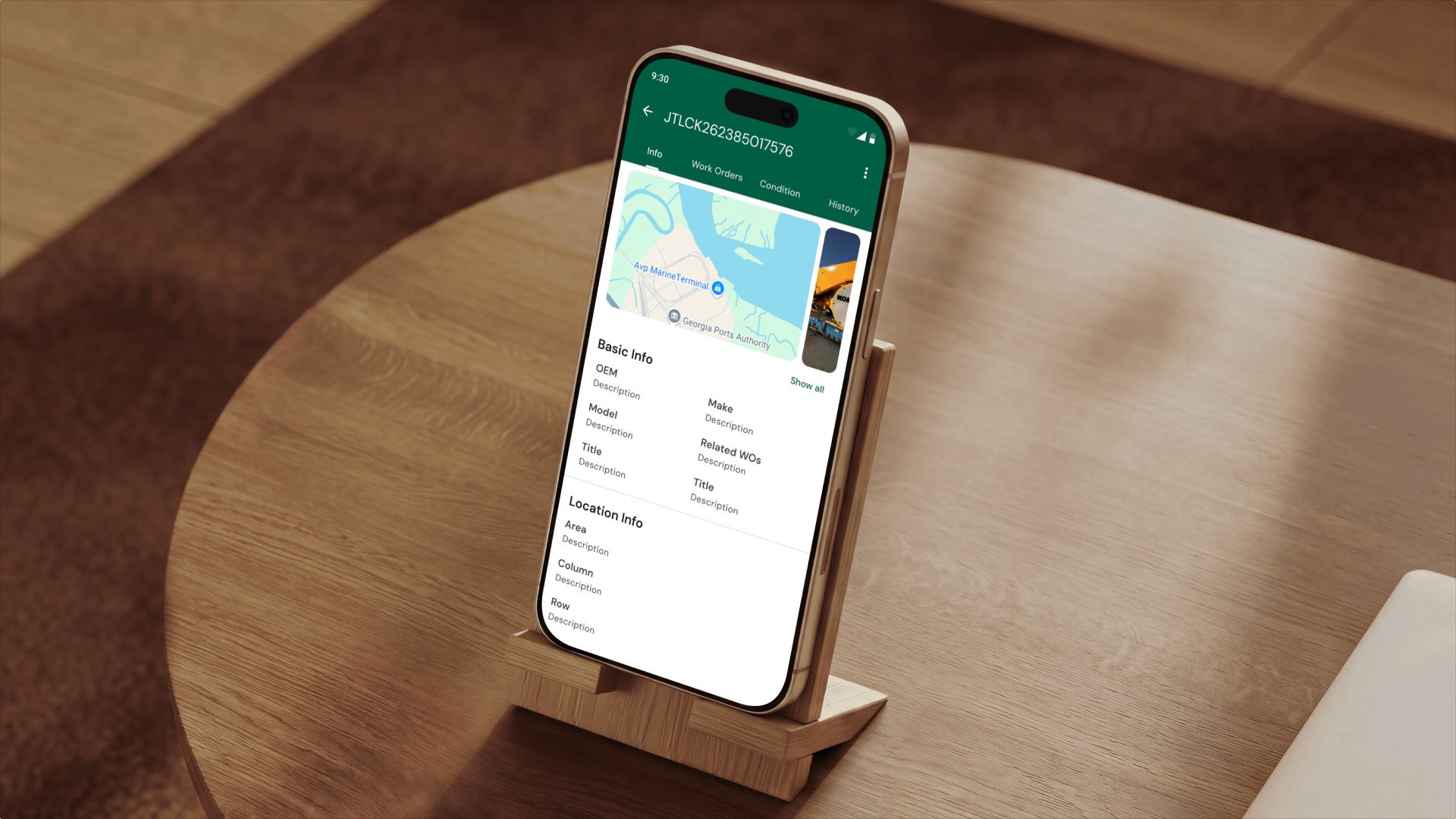
Some details in this case study, including the client's name, have been withheld. Discretion is part of how we earn trust. We'd protect your organization the same way. We’ve spent three years inside the global operations for one of the largest logistics operators moving vehicles and heavy equipment by sea. When the engagement began, the company's own terminals barely used the same terminology. Paper-driven processes, disconnected spreadsheets and software applications, and years of acquisitions had left every location handling the same work its own way. We started with research, mapping the actual processes happening at each terminal, then building the shared vocabulary the organization never had: a standardized taxonomy for locations, services, and cargo. That foundation now underpins a company-wide shift onto a single technology platform, with our team embedded alongside the client’s own teams to make sure the systems catch up to the reality on the ground.
About This Client
One of the largest shipping and logistics operators of vehicles and heavy equipment, moving cargo across an extensive international network of ports and trade routes.
Terminals once spoke a dozen different languages about the same cargo. Now they share one, and a demo built on it had leadership calling it "the art of the possible."
Results
- Problem
Terminal and processing center teams worldwide ran the same shipping process differently, with no shared way to describe a location, a service, or a shipment.
SolutionA shared taxonomy is now the backbone of the client's digital transformation, giving new systems and long-standing processes a common language to build on.
- Problem
With no complete list of the services the company actually performed, finance and operations teams couldn't tell what was being billed, or missed.
SolutionFinance and operations teams now work from one defined service list, priced and reported against with confidence for the first time.
- Problem
Employees had stopped relying on the official systems, so daily work lived in personal spreadsheets no one else could see.
SolutionA months-long discovery effort surfaced the hidden spreadsheets driving real work, giving the technology team an honest map of where the data actually lived.
- Problem
The client had no way to see what a better approach to managing its workforce could actually look like.
SolutionWe talked to the people doing the work, mapped out what an ideal process could look like, and built a rapid prototype to bring it to life. Leadership called it "the art of the possible.”